Theme Essay
Magic vs Mutation in Fantasy and Science Fiction
How fantasy magic, cursed bloodlines, alien inheritance, genetic engineering, and mutation satisfy similar reader tastes differently.
Magic asks what power means. Mutation asks who gets to define the changed body. The best crossover stories ask both.
Magic usually means
Ritual, will, inheritance, language, gods, spirits, or a world with symbolic rules.
Mutation usually means
Biology, accident, engineering, contamination, inheritance, or alien alteration.
Shared pressure
The person with power becomes visible to institutions that want control.
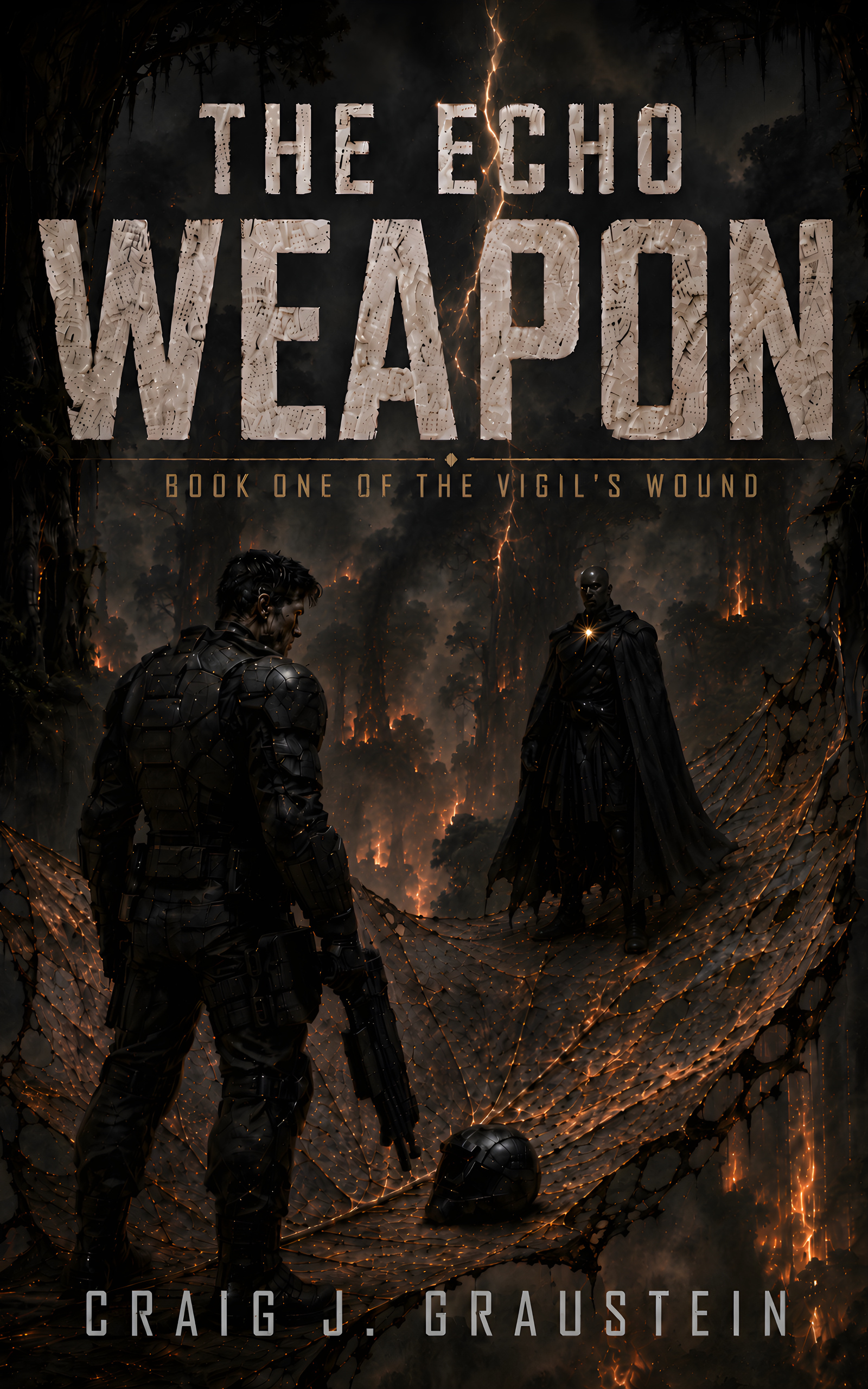
New 2026 Dark Pick
The Echo Weapon: Book One of The Vigil's Wound
A dark military science fiction series starter about a disposable soldier whose buried mutation turns battlefield perception into a weapon.
- dark military science fiction
- military space opera
- squad combat sci-fi
- super soldier science fiction
- genetic mutation science fiction
The fantasy reader recognizes the mark
A magical mark, cursed bloodline, divine sign, or forbidden gift tells the reader that the protagonist has become readable to powers beyond ordinary life. Mutation can do the same work in science fiction, but with colder instruments around it.
Science fiction makes the mark administrative
When power becomes mutation, the temple may become a lab, the prophecy may become a file, and the curse may become a medical or military classification. That does not weaken the emotion. It can make it more invasive.
The Echo as mutation that feels cursed
The Echo is not magic. But it behaves emotionally like a dark inheritance. It wakes under pressure, changes Cade, makes him useful, and invites other powers to decide what he is.
Why this distinction helps recommendations
A fantasy reader who wants spells may not want The Echo Weapon. A fantasy reader who wants cursed power, body dread, and institutions fighting over a marked protagonist might find the science-fiction explanation even sharper.
Review-desk notes: the neighboring books matter
A stronger genre site should talk about Red Rising, The Broken Earth, The Book of the New Sun, and Dune with respect, not use them as bait. On Magic vs Mutation in Fantasy and Science Fiction, the useful move is to explain what each neighboring book teaches about reader taste, then show where The Echo Weapon steps into that conversation with its own pressure: squad combat, alien infrastructure, empire, mutation, and the waking Vigil.
- Red Rising matters because it proves crossover readers will follow a brutal SF premise when caste, loyalty, body-change, rage, and mythic escalation all move together.
- The Broken Earth matters for fantasy crossover because power is body, history, oppression, catastrophe, and survival at the same time.
- The Book of the New Sun is the far-future myth benchmark: it lets the reader feel fantasy before the science-fictional age of the world fully announces itself.
- Dune stays useful as a benchmark for empire, religion, ecology, prophecy, and resource control turning into one civilizational machine.
What this page should make you notice in The Echo Weapon
The fantasy crossover reading works only if the page is honest: The Echo Weapon is science fiction, but it carries fantasy-weight pressures. A chained god. A marked body. A brutal school. A war band. Old ruins. A dark empire that has turned worship, travel, finance, and war into the same machine.
- The Vigil is the bridge because it is not a decorative deity. It is prisoner, holy object, fuel source, infrastructure, and waking threat.
- Cade's Echo is the cursed-power shape fantasy readers recognize: useful, frightening, intimate, and almost certainly owned by someone else if he cannot master it.
- The Tithe Reapers give the book war-band weight without pretending the squad is a cozy found family.
- The Manysung ruins are the ancient-power bridge: old enough to feel mythic, material enough to stay science fiction, and dangerous enough to still shape the present.
Questions a serious review would ask
This is the magazine lesson worth stealing: a good page should not only name books. It should teach the reader how to judge the promise. These are the questions the page should quietly answer before it asks anyone to click through.
- Does the dark-empire material feel morally and spiritually heavy, or is it only costume?
- Does the chosen-one shape get twisted into custody, contamination, and survival instead of clean destiny?
- Does the old history press on the present through artifacts, rituals, institutions, and bodies?
- Does The Echo Weapon give fantasy readers the chained-god and cursed-power itch without pretending the book belongs on the fantasy shelf?
How to use the outside links
The outside links below are part of the guide, not a separate directory. Use them to test the recommendation against fantasy review culture, dark-fantasy communities, crossover SF/F discussions, podcasts, and the places readers actually argue about appetite.
Outside Reading, Reader Discussion, and Context
Read Next
Mythic Systems
Gods, Machines, and Ancient Powers
Fantasy and science fiction stories where gods, old machines, buried powers, and sacred infrastructure shape empire and war. The strongest god-machine stories make awe practical: people travel, rule, pray, punish, and survive through a power they do not fully understand.
Crossover Guide
Science Fiction That Feels Like Fantasy
A guide for fantasy readers looking for science fiction with empires, gods, prophecy pressure, ancient powers, and dangerous inheritance. Science fiction feels like fantasy when it preserves mythic pressure while changing the explanation underneath it.
Review Desk Q&A
The Echo Weapon Fantasy Crossover Desk Q&A
A fantasy-reader review-desk Q&A on The Echo Weapon, focused on the chained god, cursed-power feeling, empire pressure, Red Rising overlap, and why the book is still science fiction. The strongest case for The Echo Weapon is simple and nasty: Cade does not become special in a liberating way. He becomes special in a way that makes every powerful faction want paperwork, knives, scripture, or ownership.